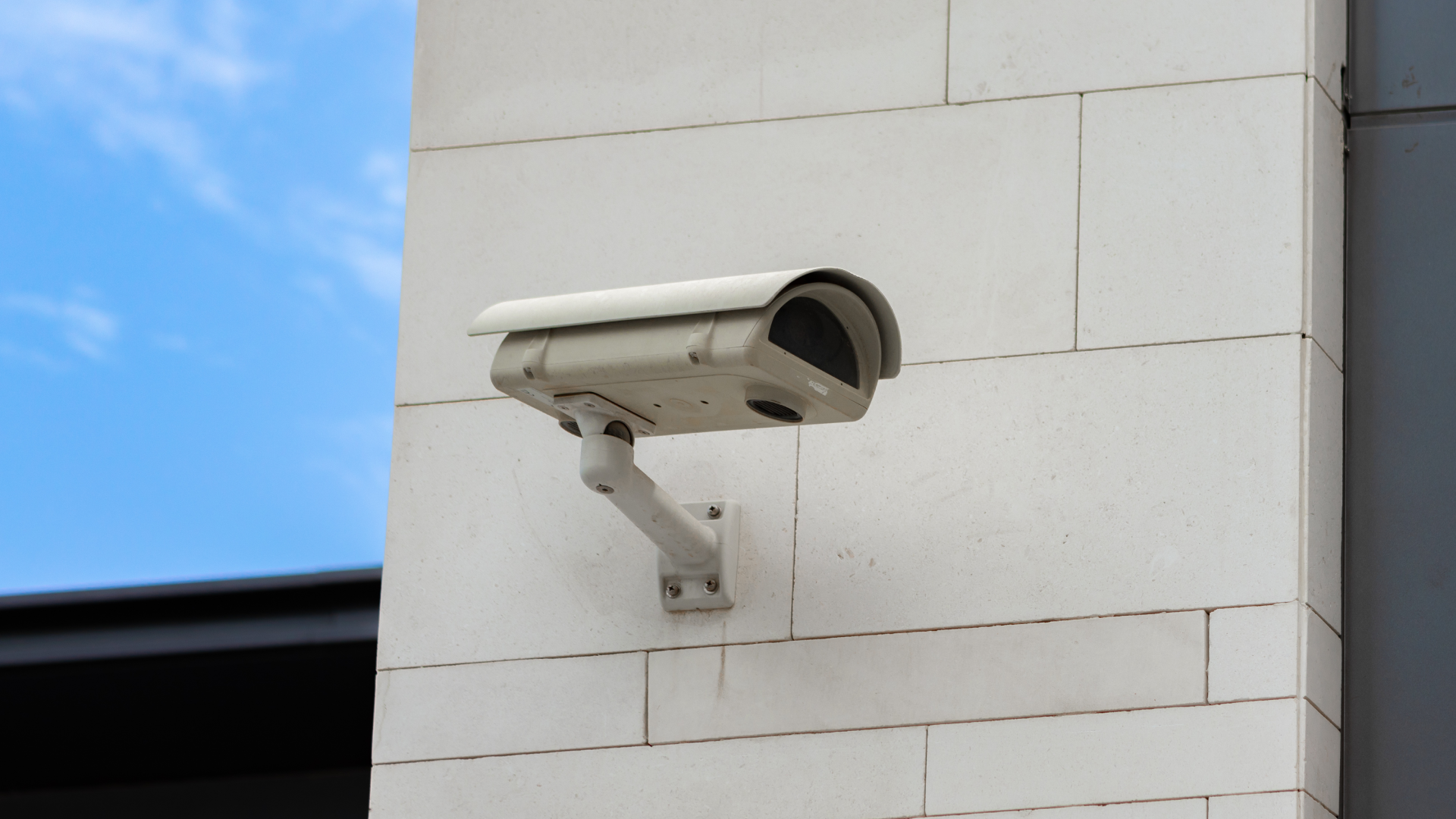
Home security has become a top priority for homeowners today. With rising concerns about safety and privacy, investing in a reliable home security camera is one of the best ways to protect your property and loved ones. However, with so many options available, finding the right one can be overwhelming. This essential guide will help you understand what to look for and how to choose the best home security camera for your specific needs.
Understanding the Importance of Home Security Cameras
A home security camera acts as your eyes when you’re away. It helps deter burglars, monitor activity, and provide peace of mind by allowing you to check in on your home anytime. Whether it’s keeping an eye on deliveries, watching over pets, or ensuring your family’s safety, a well-placed camera system can make all the difference. Many modern cameras also offer real-time alerts, motion detection, and cloud storage to enhance overall protection.
1. Determine Your Surveillance Needs
The first step in choosing a home security camera is identifying your primary purpose. Do you need indoor cameras to monitor specific rooms or outdoor cameras for perimeter protection? Indoor models focus on discreet monitoring, while outdoor cameras are built to withstand harsh weather and provide wide-angle coverage. Clarifying your goals will help narrow down your options.
2. Choose Between Wired and Wireless Cameras
Wired cameras are known for stability and consistent performance since they’re connected directly to your home’s power and internet. They’re ideal for permanent setups. On the other hand, wireless cameras offer flexibility and easier installation, making them perfect for renters or those who prefer minimal drilling. However, they may rely on Wi-Fi strength, so placement should be strategic.
3. Evaluate Video Quality and Resolution
Clear footage is crucial for identifying faces, license plates, or suspicious activities. Look for cameras with at least 1080p HD resolution, though 2K or 4K models provide even sharper images. High-quality video ensures that recorded evidence remains useful, especially in case of theft or vandalism.
4. Consider Night Vision and Motion Detection
Security threats often occur at night, so having strong night vision capabilities is essential. Choose a camera with infrared (IR) or color night vision technology for clear footage in low-light conditions. Motion detection is another must-have feature—it triggers recording and alerts whenever movement is detected, allowing immediate response to unusual activity.
5. Look for Smart Features and Connectivity
Smart home integration is becoming a standard in modern security systems. Cameras compatible with platforms like Alexa, Google Home, or Apple HomeKit allow you to control and monitor your system hands-free. Some advanced cameras offer AI-powered features like person detection, package alerts, and two-way audio for real-time communication.
6. Storage Options: Cloud vs Local
Storage plays a key role in how long you can keep your footage. Cloud storage offers convenience and remote access but may come with a subscription fee. Local storage, such as SD cards or external drives, gives you control without recurring costs. A combination of both ensures flexibility and data security.
7. Weather Resistance and Durability
If you’re installing cameras outdoors, make sure they have an IP65 or higher weatherproof rating to withstand rain, heat, and dust. Durable cameras last longer and deliver consistent performance regardless of environmental conditions.
8. Field of View and Pan-Tilt-Zoom (PTZ)
The camera’s field of view determines how much area it can cover. A wide-angle lens captures more space, reducing blind spots. PTZ cameras allow remote control to pan or zoom in on specific areas, offering better surveillance coverage for large properties.
9. Power Source and Backup Options
Security cameras can be powered via batteries, solar panels, or direct wiring. Battery-powered cameras are easy to install but need recharging, while wired models provide uninterrupted operation. For critical surveillance, consider models with power backup options to ensure recording even during outages.
10. Budget and Brand Reliability
Finally, balance features with affordability. Established brands like Arlo, Ring, Nest, and Eufy offer dependable performance, strong customer support, and long-term software updates. While cheaper options may seem tempting, investing in a reputable brand ensures reliability and better data protection.
Conclusion
Choosing the right home security camera requires careful consideration of your home layout, security needs, and lifestyle preferences. From video quality and connectivity to durability and storage, every feature plays a role in creating a safe and secure environment. A well-chosen camera system not only enhances your home’s protection but also gives you peace of mind, knowing that your loved ones and belongings are always watched over.