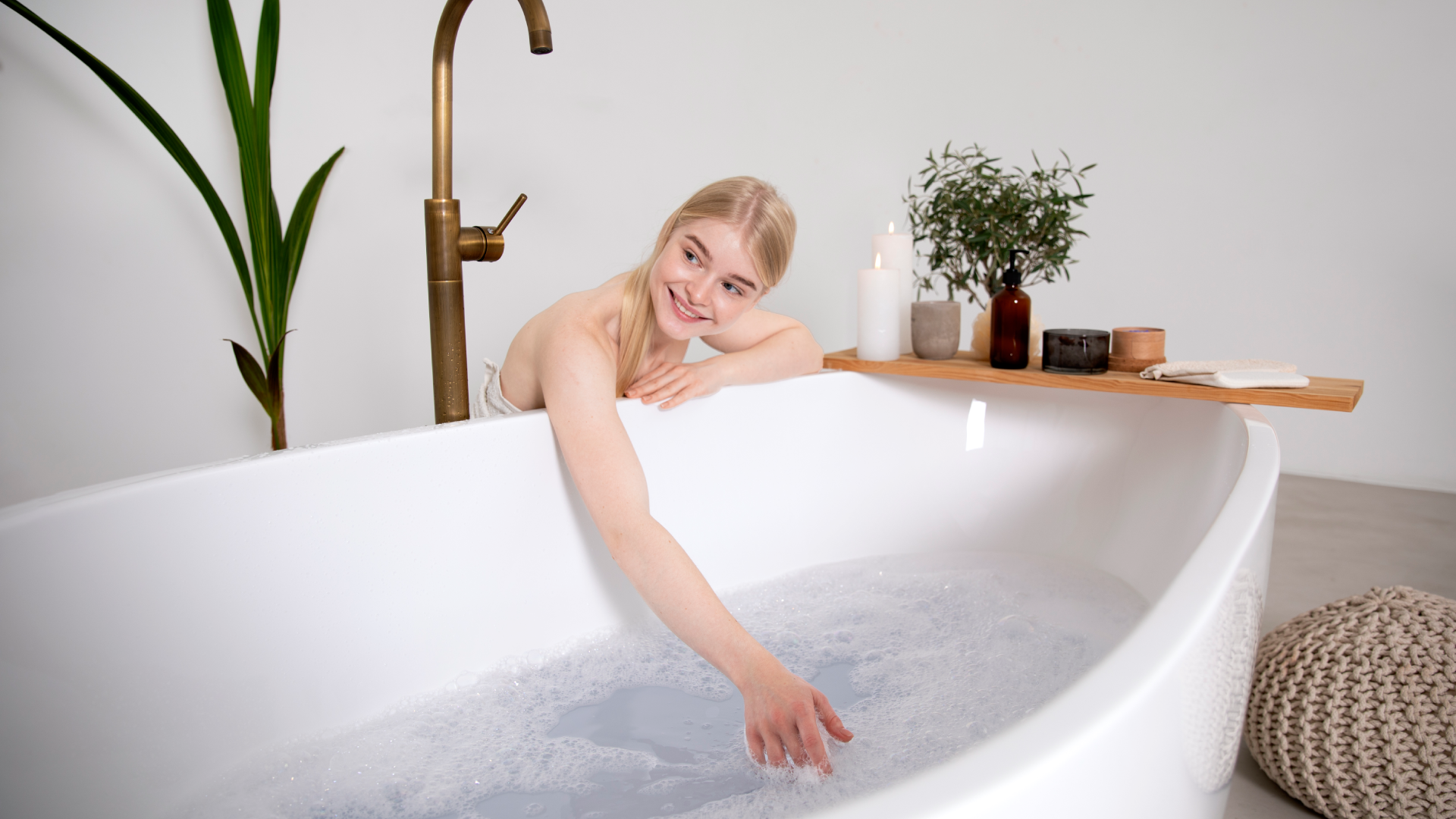
A bathtub is more than just a functional bathroom fixture—it’s a centerpiece of relaxation, luxury, and personal style. Whether you dream of long, soothing baths after a stressful day or want to elevate your bathroom’s aesthetic appeal, choosing the perfect bathtub can make all the difference. However, with so many materials, sizes, and styles available, finding the right one requires careful consideration. Here are some essential tips to help you choose the ideal bathtub for your home.
1. Assess Your Bathroom Space
Before selecting a bathtub, start by evaluating the size and layout of your bathroom. Measure the available floor area to determine how much space you can dedicate to the tub without making the room feel cramped. For smaller bathrooms, consider space-saving designs like alcove or corner bathtubs, while larger bathrooms can accommodate freestanding or soaking tubs for a more luxurious feel.
2. Determine Your Preferred Bathtub Style
Bathtubs come in various styles, each offering unique benefits. Freestanding bathtubs create a bold visual statement and work beautifully in spacious bathrooms. Drop-in and alcove bathtubs fit neatly against walls or within built-in structures, saving space and maintaining a clean layout. Clawfoot tubs bring a vintage charm, while modern soaking tubs offer sleek, minimalist elegance. Choose a style that complements your bathroom’s overall design theme.
3. Choose the Right Material
The material of your bathtub affects its durability, appearance, and maintenance. Acrylic tubs are lightweight, affordable, and available in many designs. Cast iron tubs retain heat well and have a timeless, sturdy appeal but are heavier and may require reinforced flooring. Fiberglass options are budget-friendly but less durable, while stone resin and copper tubs offer a luxurious, high-end look with excellent longevity. Consider your lifestyle, cleaning habits, and desired aesthetic when selecting the material.
4. Prioritize Comfort and Depth
A bathtub should be comfortable enough for relaxation. Look for ergonomic designs that support your back and neck. The depth and shape of the tub play an essential role—soaking tubs allow for deeper immersion, while slipper tubs offer a gentle recline for maximum comfort. If possible, test the tub in-store to ensure it feels comfortable for your body type.
5. Consider Installation and Plumbing Requirements
Different bathtub styles require varying installation methods. Freestanding tubs are generally easier to install but may need separate plumbing access. Built-in tubs often require additional framing and sealing, which can affect the total cost. It’s important to consult with a professional plumber or designer to ensure proper fitting, drainage, and water connections before making your purchase.
6. Think About Water Capacity and Heating
Bathtub water capacity determines how much water is needed to fill it completely. Larger tubs require more water, which may impact your heating system and water bills. Ensure your water heater can handle the volume of your chosen tub, especially for deep soaking or whirlpool models that demand higher water capacity.
7. Explore Additional Features
Modern bathtubs come with exciting features that enhance your bathing experience. Options like whirlpool jets, air bubble systems, LED lighting, and built-in heaters can turn a simple bath into a spa-like retreat. While these features add luxury, they may also increase maintenance and cost, so choose based on your needs and lifestyle.
8. Set a Realistic Budget
Bathtub prices can vary greatly depending on size, material, design, and features. Establishing a clear budget helps narrow your options and ensures you get the best value for your money. Don’t forget to factor in installation, plumbing, and potential remodeling costs when planning your purchase.
9. Match with Bathroom Décor
Your bathtub should blend seamlessly with your bathroom’s interior design. Coordinate colors, finishes, and shapes to match your tiles, fixtures, and lighting. A well-matched bathtub can enhance the visual flow of your space and elevate the overall ambiance.
10. Focus on Maintenance and Longevity
Lastly, choose a bathtub that’s easy to clean and maintain. Materials like acrylic and fiberglass are low-maintenance, while natural stone or copper may require special cleaning solutions. Investing in a durable, easy-to-maintain bathtub ensures it retains its beauty and functionality for years to come.
Conclusion
Selecting the perfect bathtub involves balancing comfort, style, practicality, and budget. By carefully evaluating your bathroom space, design preferences, and lifestyle needs, you can find a bathtub that not only complements your home but also transforms your bathing experience into a daily indulgence. Whether you prefer a modern minimalist look or a timeless vintage charm, the right bathtub will bring relaxation, elegance, and value to your home.